What Homemade Dog Food Gets Wrong: The Nutrient Gaps Nobody Talks About
Someone on Reddit told me my homemade dog food wasn't balanced. They said liver and eggshells don't cover all the vitamins. They said you need bone. They flagged specific gaps—vitamin E, magnesium, zinc, manganese, iodine, vitamin D, and omega-3s.
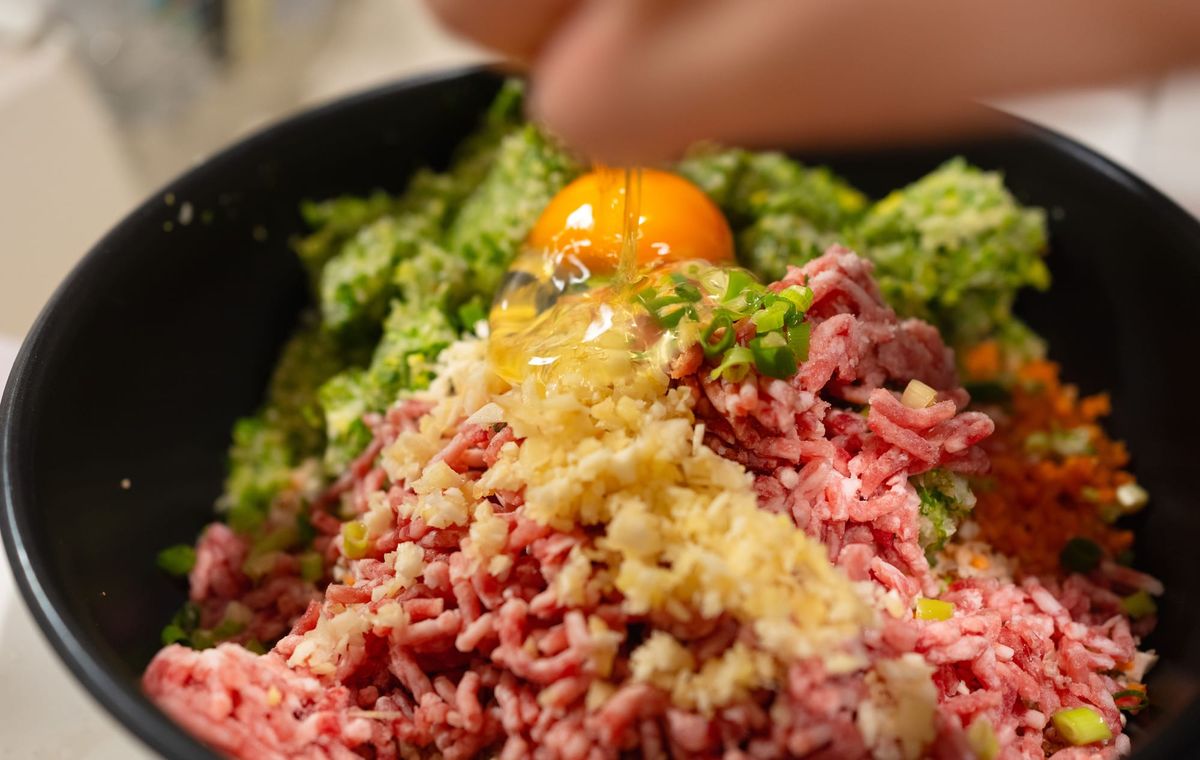
They were right. Not about the "only raw with bone" part. But about the gaps. And it stung a little, not because I didn't know the answer, but because they weren't entirely wrong. There's a difference between a meal that looks balanced and one that actually is. Too many people are just "throwing beef and rice in a bowl" and calling it a day, missing critical nutrients by a mile.
Most dog owners don't know what their dog actually needs. Not because they're lazy. Because nobody taught them. Let's fix that. Here's exactly what your dog needs, where it comes from in real food, what's missing from the muscle-meat-and-rice recipes, and why those specific nutrients always seem to be the ones that get left out.
⚡ TLDR
Most homemade dog food recipes are missing the same handful of nutrients — vitamin E, magnesium, zinc, manganese, iodine, vitamin D, and omega-3s. These gaps exist because muscle meat is nutrient-poor, cooking destroys heat-sensitive vitamins, and land animals lack minerals found in seafood. This post breaks down each missing nutrient, explains why it matters, and shows you exactly what to add to close the gaps.
Why These Nutrients Go Missing in Home-Cooked Meals
The person who criticized my recipe wasn't just being pedantic. They pointed out a genuine pattern. Have you ever noticed that it's always the same handful of nutrients that show up as "deficient" in homemade diet analyses? It's not a coincidence. It's biology and grocery store logic.
Here's why those specific gaps exist:
1. The "Muscle Meat" Trap
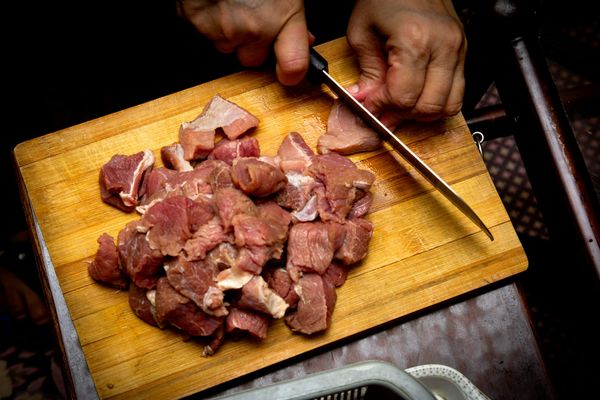
When we think of "meat," we think of chicken breast, ground beef, or turkey. These are muscle meats. They are excellent for protein and B vitamins, but they are shockingly barren when it comes to fat-soluble vitamins and trace minerals. An animal's body stores the "good stuff"—the Vitamin A, the copper, the zinc—in the liver and kidneys, not the steak. If you just feed the steak, you miss the vault.
2. The "Land vs. Sea" Nutrient Split
There is a hard line between nutrients found in land animals and those found in the ocean. Manganese, iodine, and Vitamin D are abundant in seafood and sea vegetables but notoriously scarce in beef, chicken, and pork. This is a recurring theme in our essential nutrients guide. A dog eating a land-animal diet without fish or kelp is virtually guaranteed to be iodine and manganese deficient.
3. The "Cooking Kills" Problem
Heat is a nutrient killer. Vitamin E and magnesium are incredibly sensitive to heat. If you're simmering or baking your dog's food, you are actively degrading these two specific nutrients, which is why they pop up on every "missing" list.
4. The "Plant Phobia" Paradox
Many DIY dog food recipes (especially in raw or "ancestral" circles) avoid plant matter entirely. While dogs don't need carbs, they do need the micronutrients found in greens and seeds. Magnesium, Vitamin E, and manganese are often found in those "controversial" plant ingredients. Removing them entirely without a backup plan creates a gap.
5. The "Perfect Day" Myth
In the wild, a canid achieves nutritional balance over time, not in a single meal. One day it's a rabbit (low in fat, high in liver), the next it's a fish carcass (high in Vitamin D). We tend to feed the same grocery store blend every day. If that blend has a gap, that gap compounds daily for years.
What Nutrients Does a Dog Actually Need?
Dogs require approximately 37 essential nutrients, according to AAFCO. These fall into six categories: protein and amino acids, fats and fatty acids, minerals, vitamins, carbohydrates (functional, not essential), and water. The most commonly deficient nutrients in homemade diets are vitamin E, zinc, manganese, iodine, vitamin D, magnesium, and the omega-3 fatty acids EPA and DHA.
Let's go one by one. Not as a chemistry lesson. As a practical guide to what's missing and where to find it.
The Protein Baseline: More Than Just "Meat"
Dogs need 22 amino acids. Half are essential — they must come from food. Animal protein (muscle meat, organs, eggs) provides all of them in roughly the right proportions. Plant proteins (corn, soy, peas, wheat) do not. They're low in methionine, lysine, and taurine precursors.
This is why ingredient splitting matters. A food that lists "chicken" first but follows it with "corn gluten meal, pea protein, soy flour" is diluting the amino acid profile with incomplete plant proteins. The crude protein number on the label looks fine. The amino acids your dog can actually use are another story.
We've covered this in the Label Decoder and the Corn Gluten Meal autopsy. The short version: animal protein = complete. Plant protein = incomplete. If the label is hiding plant protein behind ingredient splitting, the numbers lie.
The Fat-Soluble Vitamins: A, D, E, and K
| Vitamin | What It Does | Best Whole-Food Source | Missing In |
|---|---|---|---|
| Vitamin A | Vision, skin barrier, immunity | Beef liver (17,000 IU per 100g) | Muscle meat, grains, most homemade recipes |
| Vitamin D | Calcium absorption, bone health, immune function | Fatty fish (salmon, sardines), egg yolks, liver | Muscle meat, most homemade recipes unless fish is included |
| Vitamin E | Antioxidant, cell membrane protection | Sunflower seeds, almonds, spinach, organ meats | Muscle-meat-heavy recipes. Often deficient even in commercial raw diets. |
| Vitamin K | Blood clotting, bone metabolism | Liver, leafy greens, fermented foods | Synthetic menadione in kibble is a poor substitute. We covered this here. |
Vitamin E is the one the Reddit commenter flagged that's genuinely tricky. Muscle meat and most organs are not rich in vitamin E. A homemade diet without a specific vitamin E source — wheat germ oil, sunflower seeds, or a natural supplement — will be deficient over time. This is a legitimate gap. Acknowledging it builds credibility.
The Macrominerals: Calcium, Phosphorus, Magnesium
| Mineral | What It Does | Best Whole-Food Source | Missing In |
|---|---|---|---|
| Calcium | Bone structure, nerve signaling, muscle contraction | Raw meaty bones, eggshell powder, bone meal | Boneless homemade diets. Eggshells provide calcium but not phosphorus — balance matters. |
| Phosphorus | Bone structure, energy metabolism | Meat, organs, bone | Rarely deficient in meat-heavy diets. The ratio with calcium is what matters. |
| Magnesium | Enzyme function, muscle relaxation, nerve signaling | Leafy greens, pumpkin seeds, fish | Often overlooked. Magnesium deficiency contributes to muscle tension and anxiety. |
Calcium is the most common deficiency in homemade diets. You can't feed boneless meat and call it balanced. Eggshell powder (half a teaspoon per pound of food) provides calcium, but it doesn't replace the phosphorus, marrow, and collagen that whole bone provides. This is where raw feeders have a legitimate point: bone matters. Whether you use bone meal, eggshell, or actual raw bones, calcium must be addressed.
The Trace Minerals: Zinc, Manganese, Iodine, Copper
| Mineral | What It Does | Best Whole-Food Source | Missing In |
|---|---|---|---|
| Zinc | Immune function, skin health, wound healing | Beef liver, beef heart, oysters | Grain-heavy kibble, muscle-meat-heavy homemade recipes |
| Manganese | Bone formation, enzyme function | Mussels, liver, pumpkin seeds | Most commercial and homemade diets. Often supplemented synthetically. |
| Iodine | Thyroid hormone production | Kelp, seaweed, fish, eggs | Diets without seafood or kelp. Iodized salt is not sufficient for dogs. |
| Copper | Collagen cross-linking, iron metabolism, coat color | Beef liver (9.8 mg per 100g) | Muscle meat, grains. We covered this in the joint deficiency post. |
Zinc and manganese are the two the Reddit commenter flagged that are genuinely hard to hit without variety. Liver provides zinc. Mussels provide manganese. A diet of chicken, rice, and carrots provides neither in adequate amounts.
The Omega-3 Gap
Dogs need omega-6 and omega-3 fatty acids. Commercial diets are usually high in omega-6 (from poultry fat and plant oils) and low in omega-3s (EPA and DHA, primarily from marine sources). A homemade diet without fish, fish oil, or algae oil will be omega-3 deficient.
This is where fish oil actually earns its reputation. It's not a cure-all. But it is a legitimate gap-filler for EPA and DHA when whole fish isn't on the menu.
The Table That Reddit Needs to See
| Nutrient | Chicken Breast (100g) | Beef Liver (100g) | Still Missing? | Fix |
|---|---|---|---|---|
| Vitamin A | ~30 IU | ~17,000 IU | ✅ Covered | Liver |
| Vitamin D | 0 IU | ~50 IU | ❌ Still low | Fatty fish, egg yolks |
| Vitamin E | 0.3 mg | 0.5 mg | ❌ Still low | Sunflower seeds, wheat germ oil, spinach |
| Zinc | 0.8 mg | 4.0 mg | ⚠️ Partial | Additional liver, heart, or oysters |
| Manganese | 0.02 mg | 0.4 mg | ❌ Still low | Mussels, pumpkin seeds |
| Iodine | 0 mcg | 20 mcg | ❌ Still low | Kelp, fish, eggs |
| Copper | 0.04 mg | 9.8 mg | ✅ Covered | Liver |
| Magnesium | 22 mg | 18 mg | ❌ Still low | Leafy greens, pumpkin seeds, fish |
| Omega-3 (EPA/DHA) | 0 mg | 0 mg | ❌ Missing | Fatty fish, fish oil, algae oil |
| Calcium | 5 mg | 5 mg | ❌ Missing | Eggshell powder, bone meal, raw bones |
How Much Liver Is Safe?
Liver should make up approximately 5% of your dog's total diet by weight. For a 50-pound dog eating about 1 pound of food daily, that's roughly 0.8 ounces (22 grams) of liver per day. At this amount, vitamin A intake is well below the toxic threshold of 2,500–5,000 IU per pound of body weight per day.
Vitamin A toxicity is real at chronic high doses. It requires feeding liver as a main course — a half-pound a day for months — not as a supplement. At 5% of the diet, liver is safe, effective, and closes the vitamin A, copper, and B12 gaps in most recipes. We covered this in detail in the beef liver deep dive.
H2: So What Does a Balanced Homemade Diet Actually Need?
A balanced homemade diet includes muscle meat for protein, liver at 5% for fat-soluble vitamins and trace minerals, a calcium source (eggshell powder, bone meal, or raw bone), a source of omega-3 fatty acids (fatty fish or fish oil), and variety over time — different proteins, different organs, different vegetables for the micronutrients that no single food provides.
No single recipe covers everything. That's the truth. Variety over time — what you feed over a month, not a single meal — is how wild canids achieve nutritional balance, and it's how your dog will too. Liver covers vitamin A and copper. Fatty fish covers vitamin D and omega-3s. Mussels cover manganese. Green leafy vegetables cover magnesium and vitamin E. A sprinkle of kelp covers iodine.
One meal doesn't have to be perfect. The pattern does.
Frequently Asked Questions About Dog Nutrition
Q: Do I need to add bone to my dog's food?
Calcium is essential. Bone is one source. Eggshell powder and bone meal are others. You don't need raw bones specifically, but you do need a calcium source. Boneless meat alone will cause deficiency over time.
Q: Can I just feed liver and muscle meat?
Liver covers vitamin A, copper, B12, and iron. It does not cover vitamin E, magnesium, manganese, iodine, vitamin D, or omega-3s. A diet of muscle meat and liver is closer to balanced than muscle meat alone, but it still has gaps. Variety matters.
Q: Is AAFCO the gold standard?
AAFCO sets minimums to prevent deficiency. It does not set optimal levels for longevity, immune function, or cognitive health. Meeting AAFCO minimums means your dog won't develop rickets or night blindness. It doesn't mean they're thriving.
Q: Where can I learn more about what my dog needs?
Our Organ Meat for Dogs guide explains why organs are the most nutrient-dense foods you can feed. Our 5-Second Label Lie Detector helps you evaluate commercial foods. And the Safe Listshows you brands that passed the Critic's Code.
What to Do This Week
Look at what you're feeding. Not just the protein percentage. Not just the first ingredient. The full nutrient picture.
If you're feeding commercial food, run the label through the checklist. If you're cooking at home, ask yourself: where is the calcium? Where is the vitamin E? Where are the omega-3s? If you don't have answers, now you know the gaps. Fix them with food, not a synthetic multivitamin.
And if you want the simplest possible bridge — grass-fed beef liver, heart, and kidney, freeze-dried, one scoop — Missing Scoop closes the organ gap. For the rest, add some fatty fish and a sprinkle of kelp. This is the difference between a meal that sustains and a meal that helps your dog thrive.
What do you feed your dog? And did anyone ever tell you what might be missing? Drop your recipe or brand in the comments. Let's figure out the gaps together.