The Purina Pro Plan Roast : "Pro" Ingredients or Just pro Marketing?
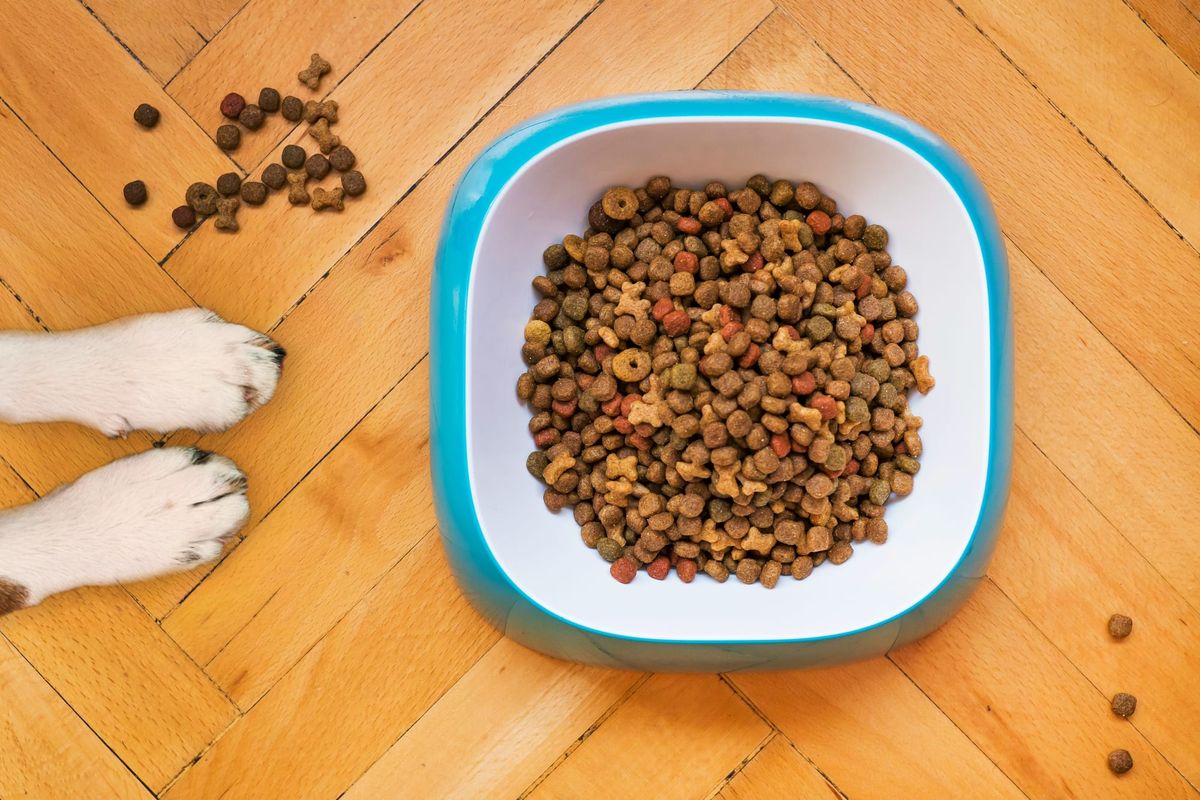
It's the #1 brand recommended by veterinarians and fed to champion show dogs. The packaging screams "performance." The name invokes elite athleticism. Purina Pro Plan has positioned itself as the food of choice for serious dog owners — the ones who want science, results, and premium nutrition for their animals.
But is it a "Pro" formula, or just a masterclass in industrial marketing?
Today, we're looking past the "fortified" claims, past the glossy photos of agility champions, and straight into the ingredient panel. What's actually fueling these so-called athletes? Spoiler: it's not what the front of the bag wants you to believe.
We've already roasted the filler ingredients hiding in premium kibble and exposed how "best food" lists are bought and paid for. Pro Plan sits at the intersection of both problems — a vet-recommended brand that dominates rankings and still pads its formula with industrial shortcuts.
Let's roast it.
What Is Actually in Purina Pro Plan? The First-Ingredient Shell Game
Purina Pro Plan advertises "Chicken is the #1 ingredient." While technically true by weight before cooking, chicken is approximately 70% water. After extrusion, that water evaporates and the chicken shrinks dramatically. What's left? Ingredients #2 and #3: rice and corn gluten meal. The real base of this food is grain, not meat.
This is the oldest trick in the labeling playbook, and we've covered it extensively in our guide on how to read a dog food label. Ingredients are listed by weight before cooking. Meat is wet. Grains are dry. When you account for water loss during extrusion, the "chicken-first" formula becomes a rice-and-corn gluten meal formula with a poultry cameo.
Your "Pro" athlete is largely fueled by grain byproducts. Not exactly the ancestral wolf diet the marketing implies.
Run Purina Pro Plan through our 5-Second Dog Food Label Lie Detector and it fails the first question: is the first ingredient, after accounting for water weight, still meat? No. It's not.
Why Does Purina Pro Plan Use Poultry By-Product Meal Instead of Chicken Meal?
Poultry by-product meal is a rendered ingredient made from unspecified bird parts — necks, feet, undeveloped eggs, and intestines. The word "poultry" means Purina doesn't have to specify which bird. In a premium food at a premium price, you should see "chicken meal" or "turkey meal" — named, specific protein sources. "Poultry by-product meal" is a cost-cutting catch-all.
We did a full autopsy on chicken by-product meal and the verdict applies here with one extra demerit: "poultry" is even worse than "chicken." At least "chicken by-product meal" tells you the species. "Poultry" can legally be chicken, turkey, duck, or any domesticated fowl — whatever was cheapest at the rendering plant that week.
Is it nutritious? Potentially. Organs and cartilage have value. But the word "poultry" exists to give Purina flexibility to source the lowest-cost protein available without changing the label. Transparency is not the priority. Margin is.
What Is "Animal Fat" and Why Is It in Pro Plan?
"Animal fat preserved with mixed-tocopherols" is an unspecified fat source. High-quality brands specify "chicken fat" or "beef fat." When the label just says "animal," it can legally be a blend of whatever rendered fat was cheapest at the time of manufacturing. You don't know what animal it came from. Purina doesn't have to tell you.
This is not a safety issue. Rendered animal fat is a common pet food ingredient and provides energy and palatability. The issue is transparency. When a brand charges premium prices and still uses anonymous fat sources, they're telling you they prioritize sourcing flexibility over ingredient integrity.
Quality brands name their fat sources. Purina doesn't. It's that simple.
What Synthetic Additives Are in Purina Pro Plan?
Pro Plan contains Menadione Sodium Bisulfite Complex — a synthetic form of Vitamin K — along with a standard synthetic vitamin premix that replaces the natural nutrients destroyed during high-heat extrusion. These additives extend shelf life but contribute nothing to your dog's longevity.
The synthetic vitamin spray is an industry-wide practice, not a Purina-specific sin. But it's worth understanding what it represents. Kibble extrusion involves high temperatures that destroy naturally occurring vitamins. Rather than reformulate the cooking process, manufacturers spray on a lab-made vitamin premix after the pellets cool. Your dog's body absorbs these synthetic versions less efficiently than whole-food nutrients.
We've documented this extensively in our comparisons of freeze-dried, raw, and cooked nutrition. The synthetic vitamin spray meets AAFCO minimums. It does not meet the standard of what's optimal. And at Pro Plan prices, "optimal" should be the floor.
Is Purina Pro Plan a Bad Dog Food?
No. Purina Pro Plan is not "bad" in the sense of being toxic or dangerous. It meets AAFCO nutritional standards. It has been feed-trial tested. Millions of dogs eat it and live normal lifespans. But it is extraordinarily average food sold at a premium price point — built on grain fillers, anonymous protein sources, and synthetic vitamin replacements.
The real critique of Pro Plan isn't that it's poison. It's that it's a marketing triumph. Purina has convinced a generation of veterinarians and consumers that "science" means corn gluten meal, poultry by-products, and anonymous animal fat. They've positioned an industrial product as a clinical one.
If you're paying "Pro" prices, you should be getting "Pro" ingredients — named muscle meats, named organ meats, whole food sources, and transparent sourcing. Instead, you're getting the same ingredient philosophy as budget grocery kibble, wrapped in a white coat and marked up 200%.
What Should You Feed Instead of Purina Pro Plan?
If you're feeding Pro Plan and your dog is thriving, switching isn't urgent. But if you're researching Pro Plan because you want premium nutrition, consider foods that use named meat meals, named fat sources, and whole-food ingredients — or supplement your current food with what the extrusion process destroys.
Options to explore:
- Fresh or gently cooked foods that don't require synthetic vitamin sprays
- Freeze-dried raw formulas that preserve nutrients without high heat
- High-quality kibbles that specify "chicken meal" and "chicken fat" instead of "poultry by-product meal" and "animal fat"
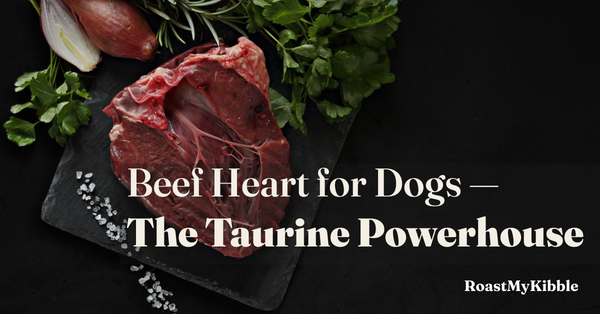
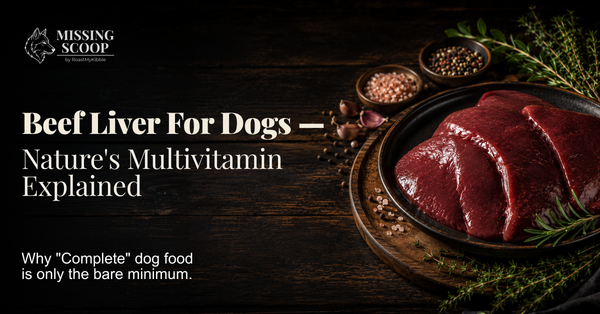
Or, keep your current food and close the nutritional gap yourself. A freeze-dried organ meat topper— beef liver for vitamin A and iron, beef heart for taurine and CoQ10 — adds back exactly what extrusion destroys. No synthetic spray. No mystery ingredients. Just organs, freeze-dried and ready to scoop. It's the clean upgrade your dog's bowl deserves, whether you stick with Pro Plan or not.
Frequently Asked Questions About Purina Pro Plan
Q: Why do veterinarians recommend Purina Pro Plan?
Purina invests heavily in veterinary school nutrition education, sponsors continuing education for practicing vets, and funds feeding trials. The recommendation is not fraudulent — Pro Plan meets nutritional standards — but it's influenced by a decades-old financial relationship between Purina and the veterinary profession. We covered this dynamic in our exposé on best dog food lists.
Q: Is Purina Pro Plan worth the price?
That depends on what you're comparing it to. Against budget grocery brands, Pro Plan offers better quality control and more protein. Against similarly priced competitors that use named meat meals and named fat sources, Pro Plan's anonymous ingredients make it a weaker value.
Q: Has Purina Pro Plan been recalled?
Yes. Purina has had multiple recalls across their product lines over the years, including Pro Plan. Always check current recall status on our Recall Log Page.
Q: Is Purina Pro Plan good for dogs with allergies?
Pro Plan offers sensitive skin and stomach formulas that some dogs do well on. However, the anonymous protein and fat sources make it difficult to identify specific triggers if your dog reacts. A limited-ingredient diet with named, transparent ingredients may be more useful for allergy diagnosis.
Q: What's the difference between Purina Pro Plan and Purina One?
Pro Plan is the premium tier with more protein and more specialized formulas. Purina One is the mid-range option. Both use the same basic ingredient philosophy — grain fillers, by-product meals, and synthetic vitamin sprays — at different price points.
The Final Verdict
Purina Pro Plan is the masterpiece of the pet food marketing world. They've convinced experts that "Science" means "Corn and By-Products." They've built a brand so trusted that owners pay premium prices for ingredients they'd reject in a budget food if they knew how to read the label.
It's not toxic. It's not dangerous. It's just not "Pro." It's extraordinarily average, brilliantly marketed, and priced like it's exceptional. Your dog deserves better. Your wallet does too.
Don't Settle for 'average' and 'pro' prices. View my 2025 safe list here for the brands that actually respect you dog's biology