The "Meat Meal" Mystery: Why Unnamed Proteins are a Huge Risk
If a label just says "Meat," walk away. We explain the dangers of unspecified protein sources and why "Named Meats" matter.
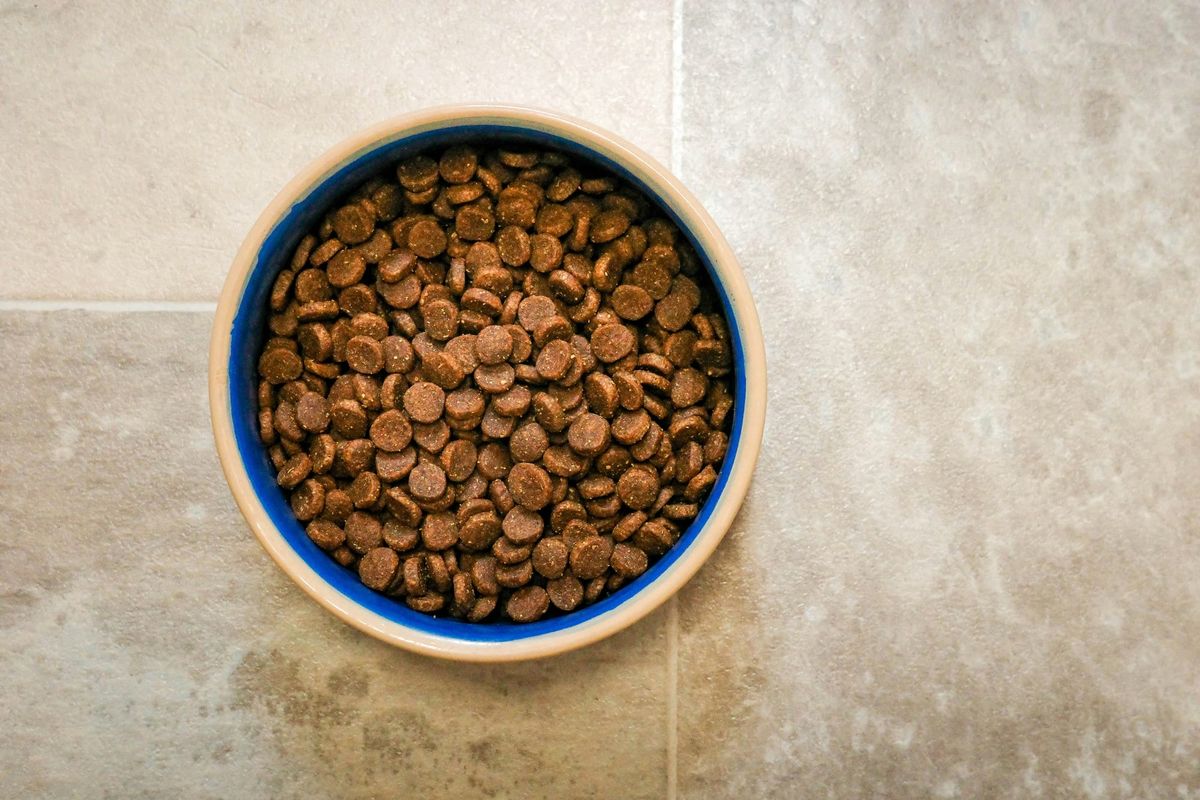
Of all the words on a dog food bag that should make you pause — "powdered cellulose," "brewers rice," "natural flavor" — the two that scare me most are the simplest: "meat meal."
Not chicken meal. Not beef meal. Not lamb meal. Just "meat."
That word is doing a lot of heavy lifting. It's a legal term, not a culinary one. It means the manufacturer is using rendered animal tissue from an unnamed species — or a blend of species — and they're not required to tell you which ones. It could be beef. It could be pork. It could be a mix of whatever was cheapest at the rendering plant that week. The label doesn't say. The law doesn't require it to.
This is the ultimate unknown ingredient. And it's hiding in plain sight on bags that otherwise look perfectly normal — sometimes even premium. Let's talk about what "meat meal" actually is, why it exists, and why a named protein source is non-negotiable if you care about what's going into your dog.
What Is "Meat Meal" in Dog Food?
"Meat meal" is a rendered protein concentrate made from the tissues of mammals — but the species is not specified. According to AAFCO, it is "the rendered product from mammal tissues, exclusive of any added blood, hair, hoof, horn, hide trimmings, manure, stomach and rumen contents." It provides protein, but without naming the source animal, the quality and consistency are impossible to verify.
The AAFCO definition tells you what's excluded — no hooves, no hair, no manure — but it doesn't tell you what's included. It doesn't name the animal. It doesn't specify the tissue types beyond "mammal tissues." It doesn't tell you whether the protein came from beef, pork, lamb, or a blend of all three.
"Meat meal" is what you get when a manufacturer prioritizes sourcing flexibility over transparency. It allows them to buy whatever rendered protein is cheapest that week without changing the label. Your dog eats the cost savings. You pay the same price.
We covered the hierarchy of protein sources in our guide on how to read a dog food label and our chicken by-product meal deep dive. "Meat meal" sits at the bottom of that hierarchy — below named meals, below named by-product meals, below even vaguely named by-products. At least "chicken by-product meal" tells you the species. "Meat meal" tells you nothing.
Why Do Brands Use "Meat Meal"?
Brands use "meat meal" because it's cheaper and more flexible than named protein meals. It allows manufacturers to source from multiple rendering plants, switch suppliers based on price, and avoid reformulating labels when protein sources change. The cost savings go to the manufacturer. The nutritional uncertainty goes to your dog.
There are two reasons a brand uses "meat meal" instead of "chicken meal" or "beef meal":
- Cost. Anonymous rendered protein is cheaper than named rendered protein. The rendering plant blends what's available. The manufacturer buys the blend. The savings are significant — pennies per pound that add up to millions at scale.
- Flexibility. If a brand lists "chicken meal" on the label, they have to use chicken meal in every batch. If they list "meat meal," they can use whatever mammal protein is cheapest that month — beef one batch, pork the next, a blend the third. The label never changes. You never know.
This is the same sourcing philosophy we've exposed in anonymous animal fat in Purina Pro Planand "natural flavor" as a mystery ingredient in Blue Buffalo. When a brand chooses not to name the species, they're choosing sourcing flexibility over your right to know what you're feeding.
What Should You Look for Instead?
A quality dog food names the species in every protein source. Look for "chicken meal," "beef meal," "lamb meal," or "salmon meal." Even "chicken by-product meal" is more transparent than "meat meal" — at least it tells you the animal. The best foods use named muscle meats and named organ meats with no anonymous ingredients anywhere on the panel.
The protein hierarchy, from best to worst:
| Protein Source | What It Tells You | Transparency Level |
|---|---|---|
| "Deboned Chicken" or "Beef" | Named species, named tissue | Excellent |
| "Chicken Meal" or "Beef Meal" | Named species, rendered whole | Good |
| "Chicken By-Product Meal" | Named species, rendered leftovers | Moderate — transparent about being cheap |
| "Poultry By-Product Meal" | Anonymous bird species, rendered leftovers | Poor |
| "Meat Meal" or "Meat and Bone Meal" | Anonymous mammal species, anonymous tissues | Worst |
Run your dog's food through our 5-Second Dog Food Label Lie Detector. Question one: is the first ingredient a named meat? If the bag says "meat meal" anywhere — let alone in the first five ingredients — it fails.
Is "Meat Meal" Dangerous?
"Meat meal" is not inherently dangerous or toxic. It meets AAFCO definitions for protein content and is rendered at high temperatures that kill pathogens. The issue is not acute safety — it's chronic uncertainty. Without knowing the species or tissue composition, you cannot manage food sensitivities, track protein sources, or assess quality over time.
This is the same distinction we make about powdered cellulose, brewer's rice, and chicken by-product meal. These ingredients are legal. They're not poison. But they're markers of cost optimization over nutritional optimization. When a brand chooses "meat meal" over "chicken meal," they're making a statement about their priorities — and transparency isn't one of them.
Which Brands Use "Meat Meal"?
"Meat meal" is most commonly found in budget and grocery-store brands, but it also appears in some mid-tier foods. Check the ingredient panel of any food you're considering. If "meat meal" or "meat and bone meal" appears, put the bag back.
It's less common in premium and super-premium brands — those typically use named protein meals. But it still shows up, particularly in foods positioned as affordable or sold in bulk. The price point doesn't always tell you. The ingredient panel does.
If you want to see which brands passed our transparency standards, the Safe List has every food that met the Critic's Code — named proteins, no anonymous ingredients, full traceability.
Frequently Asked Questions About Meat Meal
Q: What's the difference between "meat meal" and "chicken meal"?
"Chicken meal" is rendered from a single named species — chickens. You know what animal it came from. "Meat meal" is rendered from unnamed mammals. You don't know the species. The nutritional profiles are different. The transparency is worlds apart.
Q: Is meat meal the same as chicken by-product meal?
No. "Chicken by-product meal" tells you the species (chicken) and the tissue type (by-products — organs, bone, cartilage). "Meat meal" tells you neither the species nor the specific tissues. By-product meal is more transparent than meat meal.
Q: Can dogs be allergic to meat meal?
Yes, but the bigger problem is you won't know what they're reacting to. If your dog develops a sensitivity and the protein source is anonymous, you can't eliminate it because you don't know what it is. This is one of the strongest arguments for named protein sources — elimination diets are impossible without them.
Q: Does "meat meal" contain euthanized pets?
No. This is a persistent urban myth. AAFCO regulations prohibit the use of rendered companion animals in pet food. "Meat meal" comes from livestock mammals — cattle, pigs, sheep, goats — not dogs and cats.
What to Do Right Now
Flip over your dog's food bag. Scan the ingredient panel. Do you see the words "meat meal" or "meat and bone meal" anywhere?
If yes, your dog is eating anonymous protein from an unnamed species. You have no way to know what animal it came from, what tissues are in it, or whether it's consistent batch to batch.
Switch to a food that names the species. Chicken. Beef. Lamb. Fish. Whatever you choose, make sure the label tells you. Your dog eats what you put in the bowl. You should know what it is.
Checked your bag? Found "meat meal"? Drop the brand name in the comments. Let's see how many dogs are eating anonymous protein — and how many owners had no idea.