Is Carrageenan Safe for Dogs? The Hidden Thickener in Wet Food
Why is your dog's wet food so thick? It might be Carrageenan. Learn about the link to intestinal inflammation.
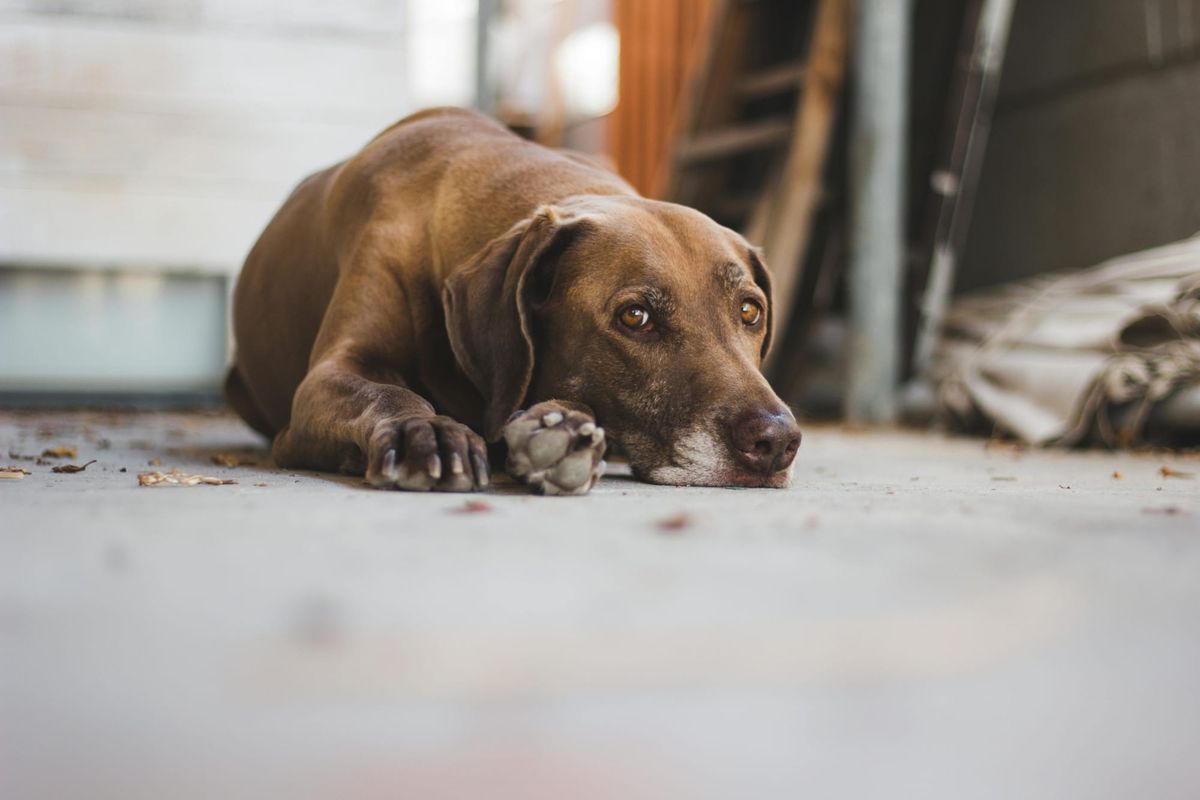
Wet dog food has a certain look. Rich. Thick. That gravy-like consistency that coats the spoon and makes you think, "This looks like real food." Your dog certainly doesn't mind. They'd eat it if it looked like a brown slurry. The texture isn't for them. It's for you.
To achieve that consistency, manufacturers add thickeners — compounds that give wet food its shape, its mouthfeel, its visual appeal. And one of the most common thickeners in the pet food industry is carrageenan, a compound extracted from red seaweed that's been used for decades in everything from ice cream to deli meat to your dog's dinner.
It's natural. It's plant-based. It sounds harmless. But a growing body of research has linked carrageenan — specifically the degraded form that can form during processing and digestion — to intestinal inflammation, gut barrier dysfunction, and even ulceration in laboratory animals. The same property that makes it a good thickener — its ability to create a stable gel — may also make it an irritant to the delicate lining of your dog's digestive tract.
Let's talk about what carrageenan actually does, why it's controversial, and why the safest gravy is no gravy at all.
What Is Carrageenan?
Carrageenan is a family of sulfated polysaccharides extracted from red seaweed (Chondrus crispus, commonly known as Irish moss). It is used as a thickening, gelling, and stabilizing agent in processed foods. In pet food, it creates the rich, gravy-like texture of canned and pouched wet foods. It is not a nutrient. It provides no calories, vitamins, or minerals. Its sole function is texture.
There are two forms of carrageenan: food-grade (undegraded) and degraded (hydrolyzed). Food-grade carrageenan has a high molecular weight and is the form approved for use in food products. Degraded carrageenan has a lower molecular weight — the long polysaccharide chains have been broken — and is not permitted in food.
The problem is that the distinction between these two forms is not as stable as the industry would like you to believe. Research has demonstrated that food-grade carrageenan can degrade under the acidic conditions of the stomach, producing lower molecular weight fragments that behave biologically like the degraded form. The very environment it enters — your dog's digestive tract — may turn the "safe" form into the problematic one.
According to research published in the Journal of Applied Toxicology, even food-grade carrageenan can trigger inflammatory responses in intestinal epithelial cells. The International Agency for Research on Cancer has classified degraded carrageenan as a possible human carcinogen (Group 2B) based on animal studies showing intestinal damage and tumor promotion.
What Does Carrageenan Do to the Gut?
Carrageenan induces inflammation in the intestinal tract through activation of Toll-like receptor 4 (TLR4), a component of the innate immune system that recognizes bacterial pathogens. When carrageenan binds to TLR4, it triggers an inflammatory cascade — the same pathway activated during bacterial infection. Chronic activation of this pathway leads to gut barrier dysfunction, increased intestinal permeability, and in susceptible animals, ulceration and colitis.
A landmark study published in the American Journal of Physiology - Gastrointestinal and Liver Physiology demonstrated that carrageenan exposure in animal models produced intestinal inflammation that closely resembled inflammatory bowel disease. The mechanism was TLR4-dependent and occurred with food-grade carrageenan — not just the degraded form.
Other studies have documented:
- Increased intestinal permeability ("leaky gut") in animals fed carrageenan
- Ulceration and erosion of the intestinal lining with chronic exposure
- Altered gut microbiome composition, favoring pro-inflammatory bacterial species
- Exacerbation of existing inflammatory bowel conditions
The Cornucopia Institute, a food and agriculture policy group, has compiled extensive research on carrageenan's inflammatory effects and advocated for its removal from both human and pet food. Several human food manufacturers — including major organic brands — have voluntarily removed carrageenan from their products. The pet food industry has been slower to respond.
Why Is Carrageenan Still in Dog Food?
Carrageenan is legal, inexpensive, and functionally effective. It creates a consistent, appealing texture in wet food at a fraction of the cost of meat-based thickeners or reformulation. The FDA and AAFCO permit its use. The regulatory standard is "not proven dangerous at regulated levels" — not "proven safe for lifetime daily consumption."
The pet food industry's defense of carrageenan rests on the distinction between food-grade and degraded forms. Because food-grade carrageenan is what's added to the food, and degraded carrageenan is what's linked to harm, the argument is that the ingredient is safe as used. This argument ignores the evidence that food-grade carrageenan can degrade in the stomach and that even undegraded carrageenan can trigger inflammatory pathways.
This is the same regulatory gap we've documented with menadione — a synthetic vitamin banned from human supplements but legal in dog food — and "natural smoke flavor" — a cosmetic additive with carcinogenic byproducts. The pattern is consistent: ingredients that raise safety concerns in human food remain entrenched in pet food because the regulatory scrutiny is lower and the economic incentive to keep using them is high.
Which Brands Use Carrageenan?
Carrageenan is most commonly found in wet dog foods — canned, pouched, and loaf-style products. It appears across the price spectrum, from grocery brands to premium and "natural" formulas. It is less common in dry kibble, where other processing methods achieve texture.
Look for these terms on ingredient panels:
- "Carrageenan"
- "Carrageenan Gum"
- "Irish Moss" (rare, but synonymous)
- "Red Seaweed Extract" (may contain carrageenan)
If you see carrageenan listed, the food contains this thickener. The concentration is not specified. The molecular weight is not disclosed. The brand is relying on the regulatory distinction between food-grade and degraded — a distinction your dog's stomach acid may not respect.
What Should You Feed Instead?
Look for wet foods that use no thickeners at all — where the texture comes from meat, organs, and moisture — or foods that use safer alternatives like agar-agar, a seaweed-derived thickener with a different chemical structure that has not been linked to the same inflammatory effects.
The safest wet food is the one that doesn't need thickeners because the ingredients themselves provide texture. Real meat, properly prepared, doesn't need a gel matrix to look like food. Canned sardines in water don't need carrageenan. A slow-cooked stew doesn't need a stabilizer. The thickener is there to compensate for processing — to make a slurry of rendered parts and water look like something you'd want to serve.
Better options:
- Carrageenan-free wet foods — brands that explicitly avoid carrageenan and use agar-agar or no thickeners at all
- Fresh and gently cooked foods — no thickeners needed because the food is actual food, not a processed slurry
- Freeze-dried and air-dried foods — texture comes from the ingredients, not from additives
- DIY wet food — a freeze-dried organ topper mixed with warm water creates a real-meat gravy in seconds: no seaweed extracts, no inflammatory gums, just liver, heart, and kidney doing what real food does
Frequently Asked Questions About Carrageenan
Q: Is carrageenan toxic to dogs?
Carrageenan is not acutely toxic. It won't cause immediate poisoning. The concern is chronic, low-grade inflammation from daily consumption over a lifetime. Gut inflammation is cumulative. The damage builds silently.
Q: Is agar-agar safer than carrageenan?
Agar-agar is derived from a different type of red algae and has a different chemical structure. It has not been linked to the same inflammatory pathways as carrageenan in the available research. While no thickener is ideal, agar-agar is generally considered a safer alternative.
Q: Does all wet dog food contain carrageenan?
No. Many brands now specifically market themselves as carrageenan-free. Read the ingredient panel. If carrageenan is not listed, the food uses a different thickener or none at all.
Q: Can carrageenan cause diarrhea in dogs?
Yes. Intestinal inflammation from carrageenan can manifest as loose stools, mucus in the stool, increased frequency, or intermittent diarrhea — especially in dogs with pre-existing gut sensitivities.
Q: Should I stop feeding wet food altogether?
Not necessarily. Wet food can be a valuable source of hydration and palatability, especially for senior dogs or dogs with dental issues. The key is choosing wet foods without carrageenan. The ingredient panel tells you everything.
What to Do Right Now
Go to your pantry. Pull out a can or pouch of wet dog food. Scan the ingredient panel. Do you see "carrageenan"?
If yes, ask yourself: is the thick, gravy-like texture of this food worth the documented risk of gut inflammation? Is the visual appeal — which your dog cannot perceive — worth the potential damage to their intestinal lining over years of daily meals?
The gravy is for you. The inflammation is for your dog. Switch to a carrageenan-free alternative. Your dog won't miss the thickener. Their gut will register the difference silently — and that's exactly how you want it.
Checked your dog's wet food? Found carrageenan? Drop the brand and product name in the comments. Let's build a list of which brands are still using an inflammatory thickener — and which ones finally stopped.